
Accounts payable is a fundamental part of managing business finances, representing the amounts a company owes to vendors for products or services already received. It plays a key role in tracking short-term liabilities, controlling cash flow, and ensuring timely payments.
In this blog, we’ll break down how accounts payable works, walk through practical accounts payable examples, and explain the role of accounts payable in financial analysis. We’ll also show how accounts payable differs from accounts receivable and share best practices for managing it effectively. Whether you’re handling finances in-house or exploring Bookkeeping Houston services, this blog will help you better understand and control your payables process.
How Accounts Payable Works
Accounts payable works like a step-by-step system to make sure a business pays its bills correctly and on time. It starts when a business receives a bill (invoice) from a supplier after buying goods or services. The invoice is checked to make sure the details, such as the amount and items, are correct and match what was ordered and received.
After the invoice is approved, it is entered into the accounting system as money the business still needs to pay. The business then plans when to make the payment based on the payment terms, which helps control cash flow. Once the payment is sent, the bill is marked as paid, and the accounts payable record is closed. This simple process helps businesses avoid late payments, reduce mistakes, and keep good relationships with their suppliers.
Accounts Payable vs. Accounts Receivable: What’s the Difference?
Accounts Payable (AP) is the money a business owes to others. It includes unpaid bills for goods or services the business has already received. Accounts payable is considered a liability because it represents outgoing payments.
Accounts Payable examples:
- A company receives an electricity bill, but hasn’t paid it yet
- An invoice from a supplier for raw materials due in 30 days
- A bill from a marketing agency for services already completed
Accounts Receivable (AR) is the money others owe to the business. It includes payments customers need to make for goods or services already delivered. Accounts receivable is an asset because it represents incoming money.
Accounts Receivable examples:
- A customer buys products on credit and will pay next month
- An invoice sent to a client for consulting services
- A retailer waiting for payment from a wholesale buyer
Example of Accounts Payable
Accounts payable includes the everyday bills and obligations a business needs to pay for goods and services it has already received. Typical accounts payable examples include:
- Payments owed to suppliers for inventory or raw materials
- Utility bills such as electricity, water, or internet
- Payments due to service providers like marketing agencies, consultants, or maintenance companies
- Rent payments for office or commercial space
- Office supplies purchased on credit
- Software subscription fees
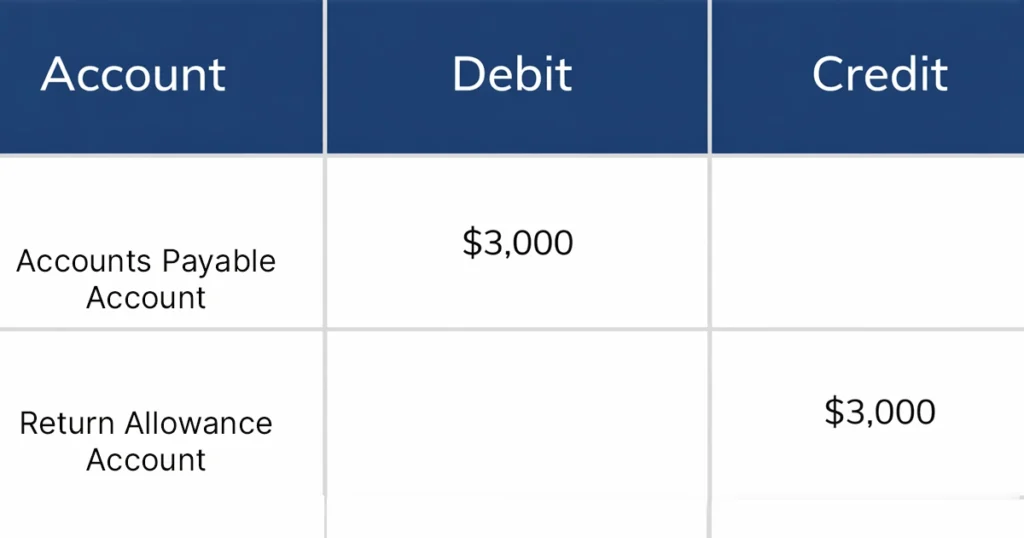
To help you understand better, we’ve added an image that explains how an accounts payable journal entry is recorded.
Role of Accounts Payable in Financial Statement Analysis
Accounts payable helps show how well a business manages its short-term debts and cash flow. By looking at accounts payable in financial statements, investors and business owners can understand how quickly a company pays its suppliers and how efficiently it uses cash. Here’s a simple explanation of the key terms:
1. Accounts Payable Turnover Ratio
This ratio shows how often a business pays off its suppliers during a specific period. A higher turnover means the company pays bills quickly, while a lower turnover means it takes more time to pay. It helps measure how efficiently a business handles its supplier payments.
2. Days Payable Outstanding (DPO)
DPO shows the average number of days a business takes to pay its suppliers. A higher DPO means the company holds onto cash longer before paying, while a lower DPO means it pays suppliers faster. Businesses often try to balance this to maintain good vendor relationships while managing cash flow.
3. Accounts Payable and the Cash Conversion Cycle
Accounts payable plays a key role in the cash conversion cycle, which measures how fast a business turns its investments into cash. Taking longer to pay suppliers (higher DPO) can improve cash flow because the business keeps cash longer. However, paying too slowly may harm supplier relationships, so the goal is to find a healthy balance.
Best Practices for Managing Accounts Payable
Managing accounts payable effectively helps businesses control cash flow, avoid late fees, and maintain strong relationships with suppliers. Below are some best practices explained in a simple and practical way:
- Set Up a Clear Accounts Payable Process: Create a step-by-step workflow for receiving, reviewing, approving, and paying invoices. A clear process reduces confusion, prevents duplicate payments, and ensures everyone knows their role in handling bills.
- Track Invoices Carefully: Keep all invoices organized and recorded as soon as they are received. This helps avoid missed payments and gives a clear picture of how much the business owes at any given time.
- Verify Invoices Before Approval: Always check invoices for accuracy by matching them with purchase orders and delivery receipts. This step helps catch errors such as overbilling or incorrect quantities before payment is made.
- Pay on Time (But Not Too Early): Paying invoices on time helps avoid late fees and builds trust with suppliers. At the same time, following agreed payment terms—rather than paying too early—helps the business manage cash flow better.
- Take Advantage of Early Payment Discounts: Some suppliers offer discounts for early payments. If cash flow allows, using these discounts can reduce overall costs and improve profitability.
- Use Automation and Accounting Software: Automating accounts payable tasks like invoice entry, approvals, and payment scheduling reduces manual errors and saves time. Automation also provides better visibility into outstanding payments and due dates.
- Monitor Key Metrics Regularly: Review metrics such as accounts payable turnover ratio and days payable outstanding (DPO). These numbers help measure how efficiently the business is paying suppliers and managing cash.
- Maintain Good Supplier Relationships: Clear communication with vendors is essential. If a payment delay is expected, informing suppliers early can help maintain trust and avoid disputes.
- Keep Proper Documentation: Store invoices, payment records, and contracts securely. Proper documentation supports audits, tax filing, and financial reporting.
By following these best practices, businesses can streamline their accounts payable process, reduce financial risk, and maintain healthy cash flow while building long-term supplier relationships.
End Accounts Payable Hassles With The MadTax
Managing accounts payable efficiently is essential for maintaining healthy cash flow, accurate financial records, and strong vendor relationships. From understanding the basics to improving payables processing, a well-structured system helps businesses stay organized and avoid costly errors.
If you’re looking for reliable bookkeeping support, The MadTax offers professional bookkeeping services in Houston backed by over 15 years of experience. Their team helps businesses streamline payables, ensure accuracy, and stay compliant—so you can focus on growing your business with confidence.