

Accounts receivable is a fundamental concept in business finance that represents the money owed for a product or a service that a company has already delivered but has not yet been paid for. Commonly referred to as A/R in accounting, accounts receivable appear on the balance sheet as a current asset and reflect a company’s short-term liquidity. By understanding how accounts receivable works, business owners can better track customer payments, manage cash flow, and ensure timely collections for healthier financial operations.
In this blog, we will explain what accounts receivable is, its types, how it works, and also share an accounts receivable sample. If you’re looking for professional support to manage your finances accurately, reliable Bookkeeping Houston services can help you stay organized and keep your accounts on track.
How Accounts Receivable Works
Accounts receivable works when a business provides a product or service first and allows the customer to pay later. Instead of receiving cash immediately, the unpaid amount is recorded as accounts receivable because the business expects to collect that money soon.
For example, if a company sells services worth $1,000 and gives the customer 30 days to pay, that $1,000 is listed as accounts receivable. Once the customer makes the payment, the amount is removed from accounts receivable and recorded as cash. This process helps businesses keep track of who owes them money, when payments are due, and ensures steady cash flow.
Types of Accounts Receivable
Before diving into the different types, it’s helpful to understand that not all accounts receivable are the same. Businesses may be owed money from regular customers, formal payment agreements, or non-sales activities. Breaking accounts receivable into types makes it easier to track payments, manage risk, and forecast cash flow more accurately.
- Trade Receivables: These are the most common types. They come from a business’s normal operations, such as selling goods or services to customers on credit.
- Notes Receivable: This type involves a written promise (note) from the customer to pay a specific amount by a certain date, often with interest.
- Non-Trade Receivables: These are amounts owed to the business that are not related to regular sales, such as employee advances, tax refunds, or insurance claims.
Example of Accounts Receivable
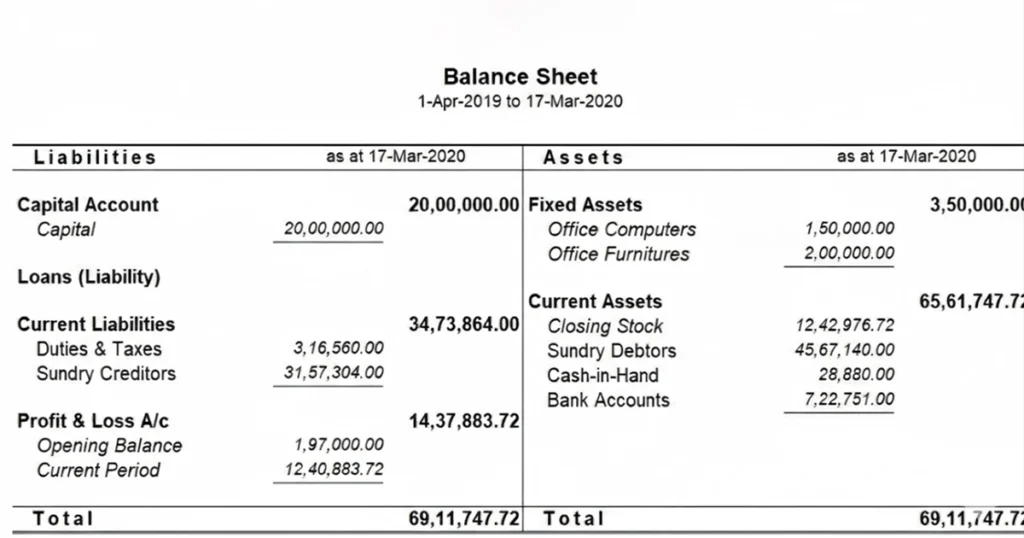
To make this concept even clearer, let’s look at an accounts receivable sample. This example shows how customer balances, invoice dates, and payment statuses are typically recorded. Reviewing real examples of accounts receivable helps you understand how businesses track outstanding payments in practice.
What Is the Difference Between Accounts Receivable and Accounts Payable?
Accounts receivable and accounts payable are two sides of how money moves in and out of a business. Understanding the difference helps you manage cash flow more effectively.
Accounts receivable is the money your business is waiting to receive from customers after selling a product or service on credit. Since this money will come into the business, it is recorded as a current asset.
Example: You complete a service worth $800 and give the customer 30 days to pay. That $800 is your accounts receivable until the payment is received.
Accounts payable is the money your business owes to suppliers or vendors for goods or services already received. Because this money will be paid out, it is recorded as a current liability.
Example: You buy office supplies worth $500 from a vendor and agree to pay in 15 days. That $500 is recorded as accounts payable until you pay the bill.
What Is Aging Accounts Receivable?
Aging accounts receivable is a report that shows how long customer invoices have been unpaid. It helps businesses track overdue payments by grouping outstanding balances into time periods such as 0–30 days, 31–60 days, 61–90 days, and over 90 days. This report makes it easier to identify late-paying customers, prioritize follow-ups, and reduce the risk of bad debts while maintaining healthy cash flow.
What Is Accounts Receivable Turnover?
Accounts receivable turnover is a financial ratio that shows how efficiently a business collects payments from its customers. It measures how many times accounts receivable is converted into cash during a specific period.
A higher turnover ratio means customers are paying quickly, while a lower ratio may indicate slow collections or credit issues. This metric helps businesses evaluate cash flow performance and the effectiveness of their credit policies.
The accounts receivable turnover is calculated using the following formula:
Accounts Receivable Turnover = Net Credit Sales ÷ Average Accounts Receivable
What Is Factoring Accounts Receivable?
Factoring accounts receivable is a financing method where a business sells its unpaid invoices to a third party, called a factoring company, in exchange for immediate cash. Instead of waiting for customers to pay, the business receives a large portion of the invoice value upfront. The factoring company then collects the payment from the customers, helping businesses improve cash flow and cover short-term expenses without taking on traditional debt.
Best Practices for Managing Accounts Receivable
Managing accounts receivable effectively is essential for maintaining steady cash flow and reducing the risk of late or unpaid invoices. Strong accounts receivable practices help businesses get paid on time while preserving positive customer relationships.
- Set Clear Credit and Payment Terms: Before offering credit, clearly outline payment terms such as due dates, payment methods, and penalties for late payments. When customers know exactly what is expected, disputes and delays are less likely to occur.
- Send Invoices Promptly and Accurately: Always issue invoices immediately after delivering a product or service. Ensure invoices include all necessary details, such as invoice number, due date, itemized charges, and payment instructions, to avoid confusion or payment delays.
- Monitor Accounts Receivable Aging Regularly: Review aging accounts receivable reports frequently to track overdue invoices. Categorizing receivables by time periods (for example, 0–30 days or 60–90 days overdue) helps prioritize follow-ups and identify potential collection issues early.
- Follow Up on Overdue Payments Consistently: Do not wait too long to contact customers about overdue invoices. Send polite reminders before the due date and follow up promptly if payment is late. Consistent communication shows professionalism and encourages timely payments.
- Offer Multiple and Convenient Payment Options: Providing customers with various payment methods—such as bank transfers, credit cards, or online payments—removes barriers and makes it easier for them to pay on time.
- Establish a Strong Credit Approval Process: Assess customer creditworthiness before extending credit. Setting credit limits and reviewing customer payment history can significantly reduce the risk of non-payment and bad debts.
- Keep Accurate and Updated Records: Maintain detailed and up-to-date accounts receivable records. Accurate tracking helps avoid errors, supports financial reporting, and ensures better control over incoming cash.
- Address Problem Accounts Early: If a customer consistently pays late, take action early by revisiting payment terms, limiting credit, or considering collection options. Early intervention helps prevent long-term cash flow problems.
- Leverage Automation: Use accounting software to automate invoicing, payment matching, and reconciliation. Companies automating accounts receivable reduce errors, cut collection costs, and boost on-time payments, 69% of CFOs embrace automation, according to Auxis.
Keep Your Accounts Receivable on Track with The Madtax
Managing accounts receivable effectively is essential for maintaining healthy cash flow and long-term business stability. From understanding A/R in accounting to following best practices, proper tracking and management can make a big difference. If you want expert support, The Madtax offers reliable bookkeeping services in Houston, helping businesses stay organized, accurate, and financially confident.